
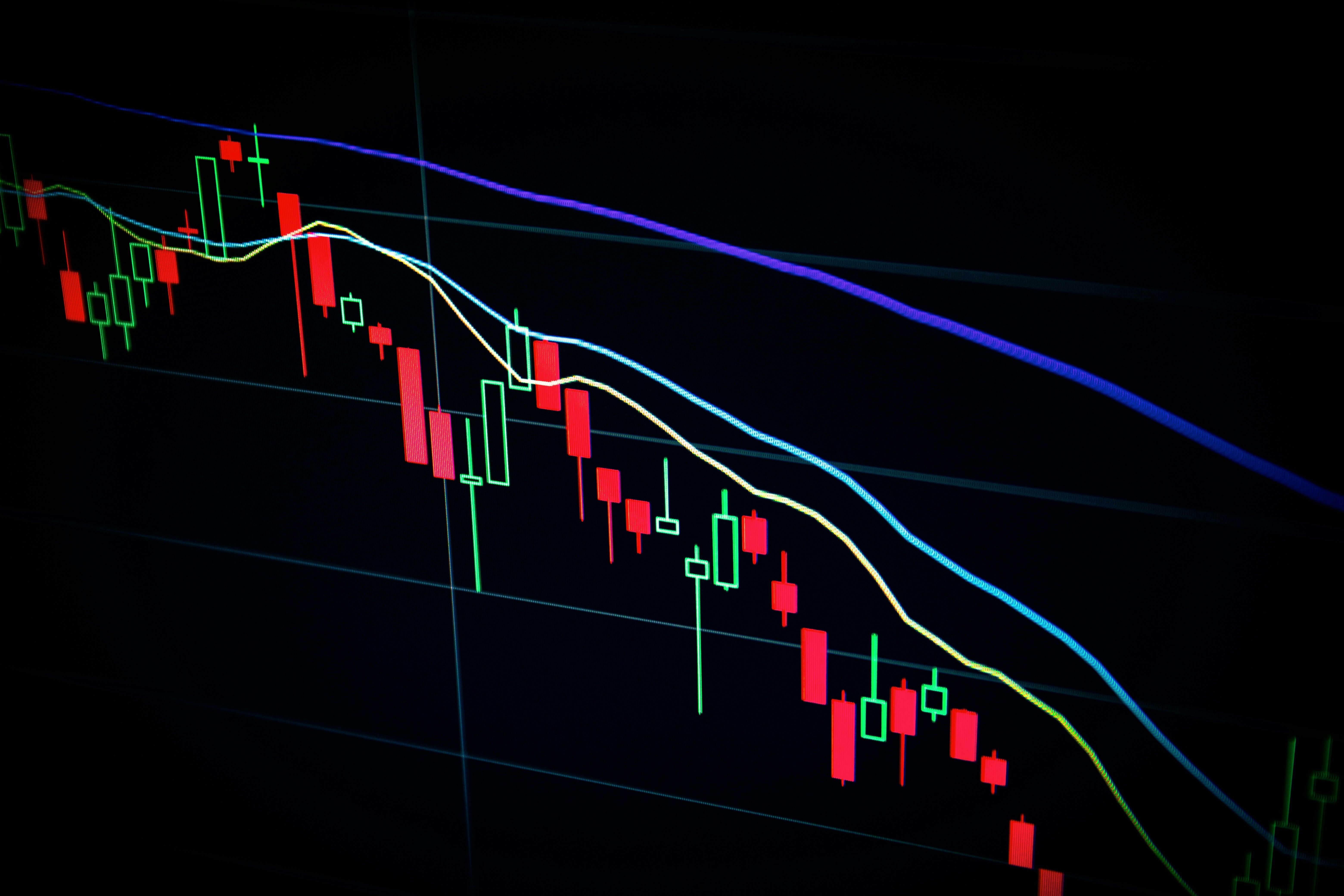
Support and resistance levels are key price areas where the market often slows down, reacts, or changes direction. Traders use these levels to understand where buyers or sellers may become active on the chart.
Unlike trend lines, these levels usually appear as horizontal areas. Support sits below the current price and may attract buying interest. Resistance sits above the current price and may create selling pressure.
To identify them, look for price areas where movement reacted several times before. Then, mark the clearest zones instead of forcing a perfect line. As a result, the chart becomes easier to read and more practical for planning trades.
For more learning, you can review our technical analysis basics technical analysis basics or read this external explanation from Investopedia

A breakout happens when price moves strongly above resistance or below support. Therefore, traders often treat this move as a sign that the market may continue in the same direction.
However, not every breakout succeeds. Sometimes, price moves beyond the level briefly and then returns inside the previous range. For this reason, traders usually wait for confirmation before opening a position.
In an upward move, resistance may turn into a new support area after price breaks above it. In a downward move, support may become a new resistance area after price breaks below it.

In many cases, the market does not respect one exact price line. Instead, price reacts within a small area. Because of that, zones can be more useful than thin horizontal lines.
You can draw a zone around the candle bodies, the wicks, or the area where price reacted most often. This method gives the chart more flexibility and reduces false signals.
Also, wider zones help traders avoid emotional decisions. Instead of reacting to every small movement, they can wait until price clearly rejects or breaks the area.

Traders apply these areas by watching how price behaves near them. For example, when price reaches support and starts moving upward, some traders look for a possible buy setup.
Likewise, when price approaches resistance and shows weakness, some traders prepare for a possible sell setup. Still, the level alone should not decide the trade.
Instead, traders should combine the level with candle behavior, market direction, risk management, and confirmation tools. This approach creates a stronger and more balanced trading plan.

Levels can change roles after price breaks them. For example, when price breaks above resistance, that same area may later act as support.
This idea also works in the opposite direction. When price breaks below support, the same area may later act as resistance. Therefore, traders often watch old levels carefully after a breakout.
Role reversal helps traders understand market memory. It shows that traders still react to important price areas even after the market moves beyond them.

Traders judge the strength of a level by checking how often price reacted to it. Generally, the more reactions a level has, the more important it becomes.
However, a strong level does not guarantee a reversal. Sometimes, repeated tests weaken the area because buyers or sellers lose power over time.
For this reason, traders should not rely on the number of touches only. They should also check market momentum, candle size, trend direction, and trading volume when available.

Good entry timing starts after price reacts clearly near a level. Then, traders can look for signs that the market may move away from that area.
For example, a trader may wait for a new candle to form after a bounce from support. This gives more confirmation than entering immediately when price touches the level.
In addition, traders often close part or all of the position before price reaches the opposite side of the range. This helps reduce risk if price reverses early.

A confirmed breakout gives traders more confidence than a quick price spike. Usually, traders wait for one or two candles to close beyond the level before making a decision.
After confirmation, traders may look for a retest. During a retest, price returns to the broken area and then continues in the breakout direction.
This lesson provides educational information only. It does not provide direct trading advice or guarantee any result.

When traders buy near support, they often place the Stop Loss below that area. This protects the trade if price breaks the level instead of bouncing upward.
For example, if a trade opens slightly above support, the Stop Loss can sit a reasonable distance below it. The exact distance depends on the market, timeframe, and risk plan.
Most importantly, traders should define the risk before entering the trade. This step helps prevent emotional decisions during fast market movement.

When traders sell near resistance, they often place the Stop Loss above that area. This protects the position if price breaks upward and the setup fails.
In the same way, traders who buy after a breakout may place the Stop Loss below the broken resistance area. After the breakout, that area may act as new support.
Overall, these levels help traders organize the chart, plan entries, and manage risk. However, traders should always combine them with confirmation and a clear trading strategy.