
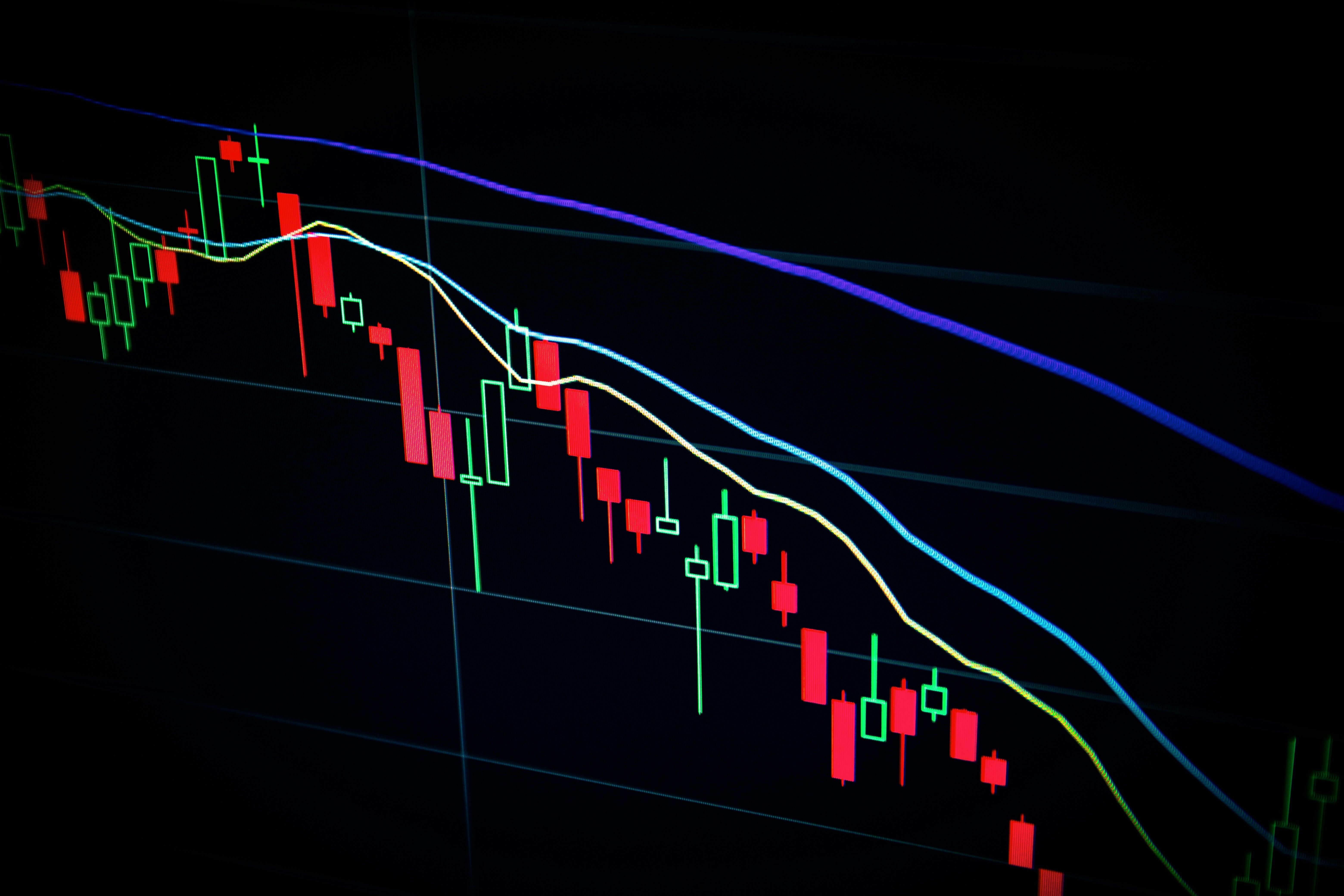
The US dollar sits at the core of most Forex trading strategies. No other currency appears in as many currency pairs, and it also serves as the base currency for commodities and US equities. Because of this, movements in the dollar tend to ripple across multiple markets at the same time.
In this lesson, you will learn why the global financial system is so heavily dependent on the US dollar and why developments in the US economy and its monetary policy are among the most influential factors driving market news and price movements.

The dollar has been called the “global reserve currency” since 1944, when nations met in the United States at the Bretton Woods conference to restore financial order after World War II.
With Europe and Japan devastated, the US economy strengthened significantly. Many countries also sent their gold reserves to the United States for safekeeping, making America the strongest economic power at the time.
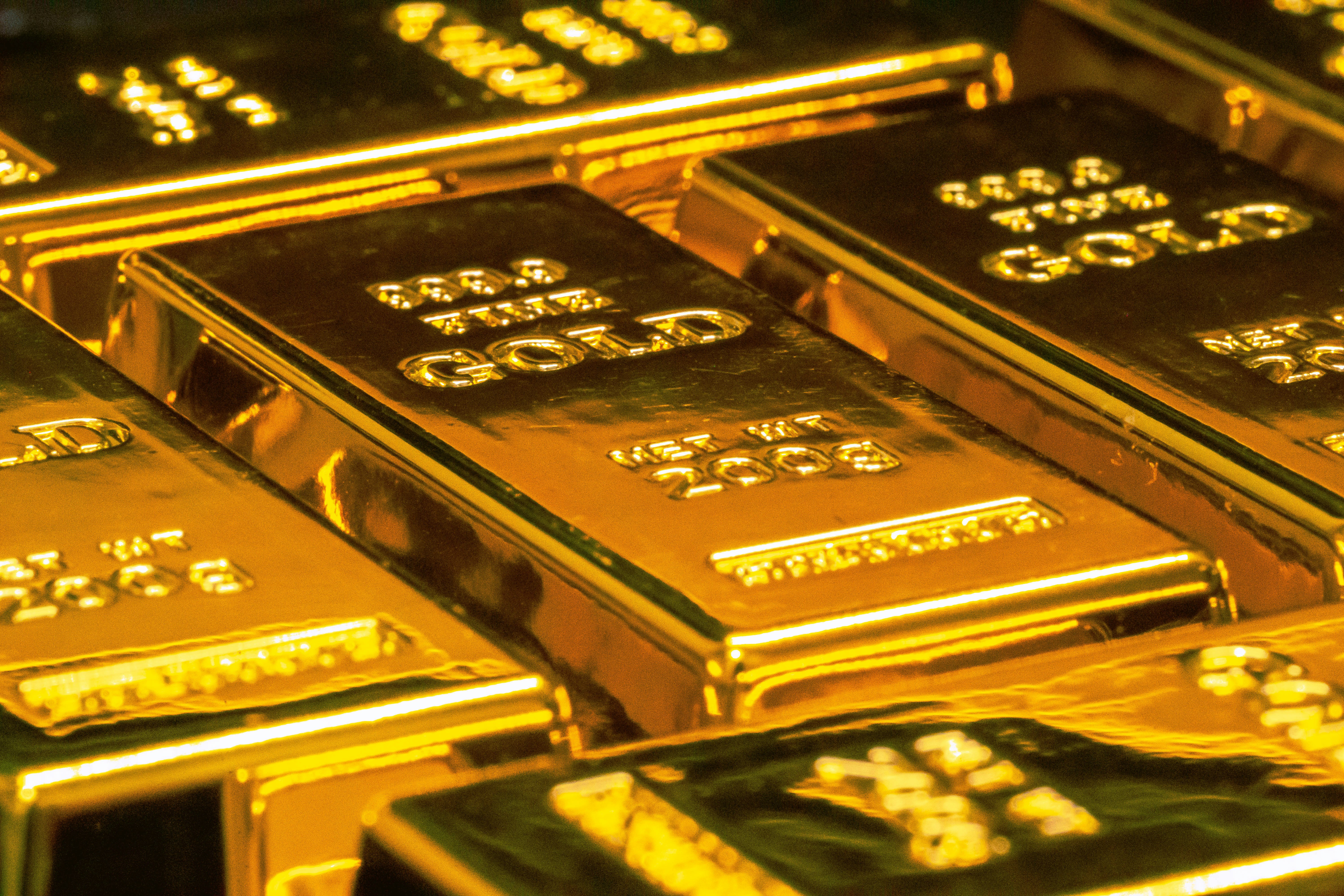
The United States already held the world’s largest gold reserves. Many countries operated under the gold standard, linking their currencies directly to gold.
However, the war disrupted this system, and the gold standard gradually lost its relevance and effectiveness.

Under the Bretton Woods Agreement, only the US dollar remained directly linked to gold.
Other currencies were pegged to the dollar, strengthening its global dominance and establishing it as the world’s primary reserve currency.

The agreement lasted for decades before being abandoned. Europe’s rapid recovery and the financial burden of the Vietnam War created imbalances.
By 1971, countries held large amounts of depreciating US dollars, bringing the system to an end.
Despite this, the dollar remained dominant, representing over 55% of global FX reserves — more than $6.3 trillion.

Strong global demand supports the dollar. US debt markets are among the most liquid worldwide.
The US Federal Reserve is the most influential central bank globally and often sets broader monetary policy trends.

The US dollar is widely used as a store of value and for international trade settlements.
Oil is priced in US dollars due to a historical agreement between the US and Saudi Arabia, influencing global benchmarks like Brent.

Countries attempting to challenge dollar dominance, such as Iraq or Libya, reportedly faced strong political or economic pressure.
More than one third of global debt is denominated in US dollars, reinforcing its global position.

France’s finance minister once described the dollar as having an “exorbitant privilege” due to its reserve currency status.
A stronger dollar often pressures commodities and emerging markets as capital flows into dollar assets.
When the US Federal Reserve sets interest rates, its decisions influence not only the domestic economy but global financial conditions as well.
The dollar’s global reserve role ensures that US monetary policy impacts markets worldwide.