

Margin is the amount of funds set aside to maintain open trading positions. When a trade is opened, this required capital is reserved and remains locked until the position is closed.
The required amount depends on the financial instrument, position size, and the leverage level applied.
It is usually calculated by dividing trade size by leverage, then converting the result using the relevant exchange rate.
Before studying this topic, you can review our guide about lots and leverage to understand how position size affects trading exposure.

Higher leverage reduces the amount of capital needed to open a position, while lower leverage requires more funds.
With leverage of 1:30, the required amount for a €100,000 trade is €3,333.33.
Converted to USD at EUR/USD 1.11413, the required capital equals $3,713.77.

Required funds for other assets depend on fixed leverage limits and the current market price.
One lot of gold, equal to 100 ounces, at $1,511.73 with 1:20 leverage requires $7,558.65.
You can also read more about trading account requirements from Investopedia’s explanation of margin .
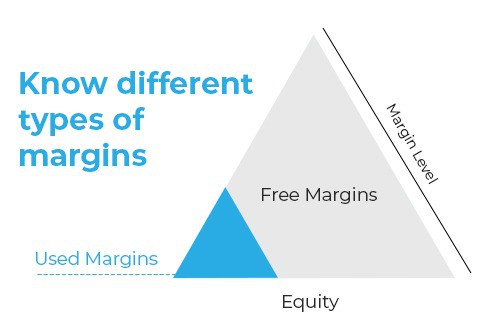
Free funds are the amount available for opening new trades or making withdrawals.
They are calculated as account equity minus the amount already reserved for open positions.
If this amount decreases, the account has less flexibility to open new positions or absorb market movement.
Equity is your account balance plus or minus unrealised profit or loss from open positions.
Equity fluctuates while trades are active and becomes equal to the balance when no positions are open.
Traders should monitor equity carefully because it reflects the real-time condition of the account.
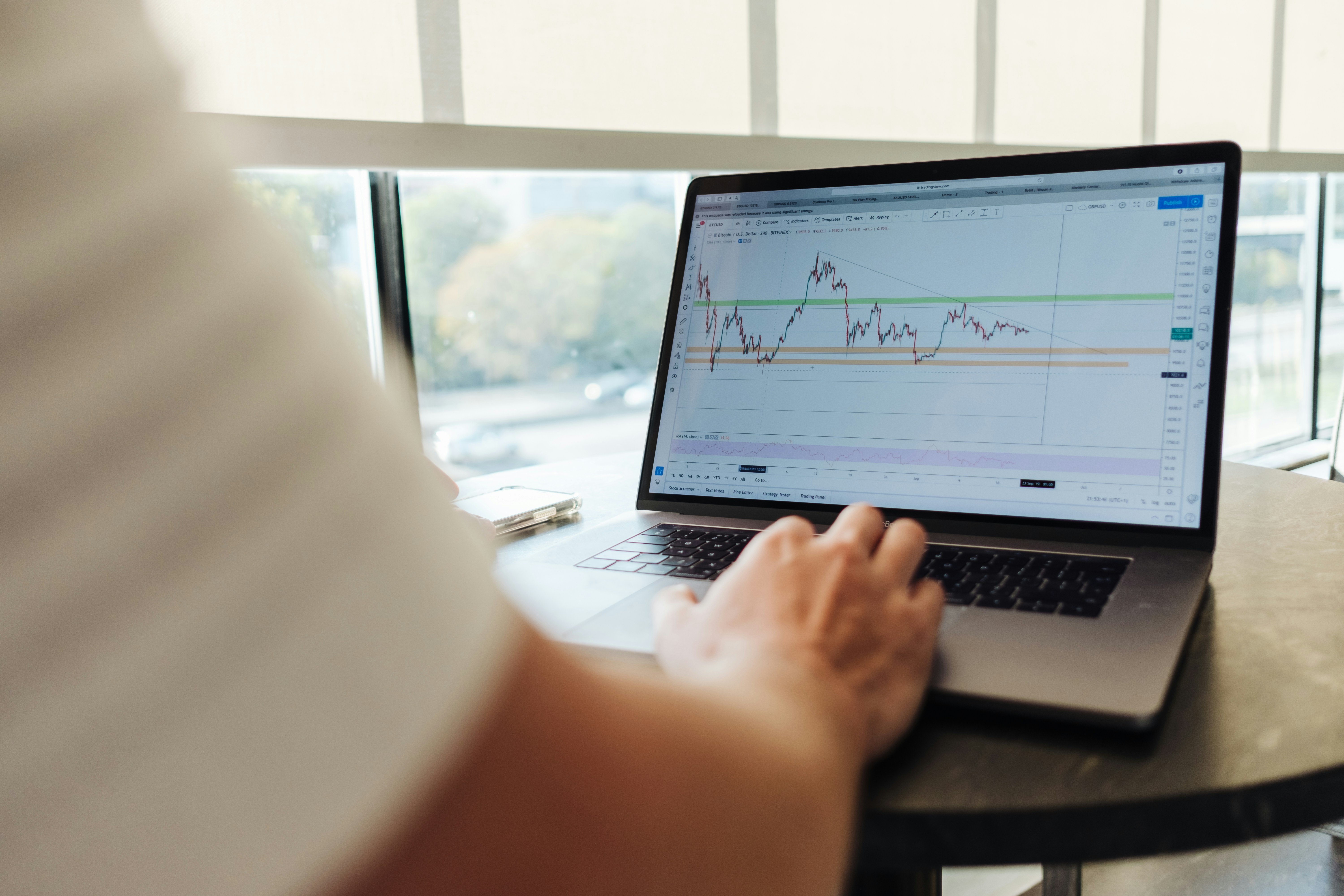
Account level is calculated by dividing equity by the reserved amount, then expressing the result as a percentage.
At 100%, many trading platforms may prevent new positions from being opened.
A falling percentage means the account is under more pressure from open trades.
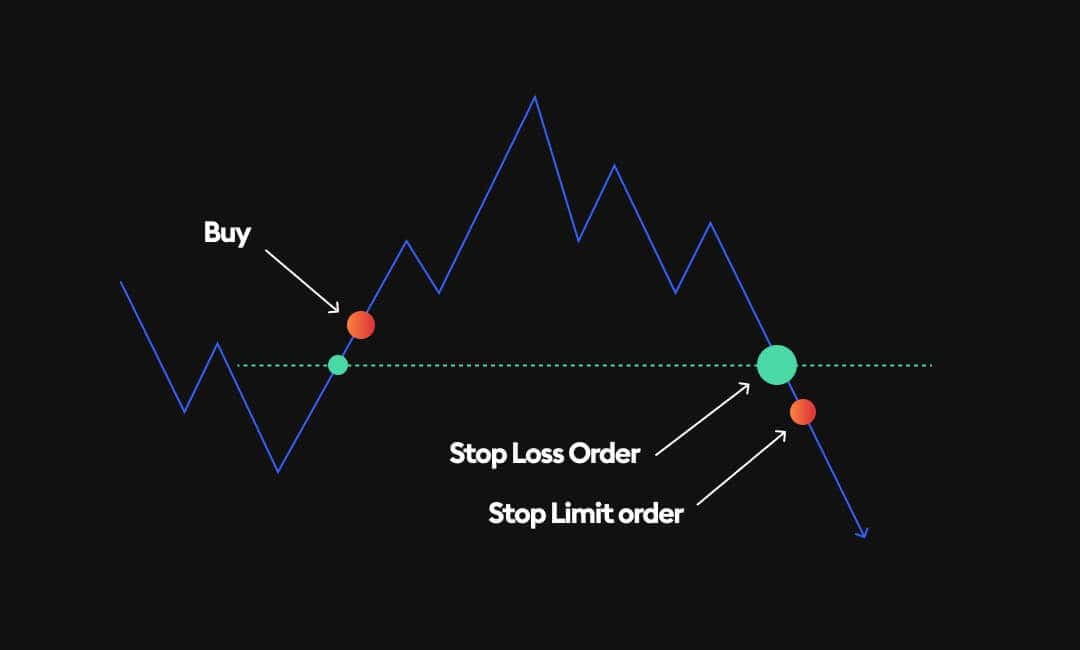
A stop out occurs when account equity falls below a predefined percentage of the reserved trading amount.
If the stop out level is 50% and the reserved amount is €1,000, positions may close at €500 equity.
This mechanism helps limit further losses when the account no longer has enough funds to support open trades.

Margin, free funds, equity, account level, and stop out are core concepts every trader must understand.
These terms help traders measure required capital, available funds, and the risk level connected to open positions.
To continue learning, visit our guide about trading sessions and understand how market timing can affect volatility and liquidity.