

A lot is the standard unit used to measure trade volume in financial markets. In Forex, one standard lot represents 100,000 units of the base currency in a pair.
For example, trading one lot of EUR/USD means dealing with 100,000 euros, while one lot of USD/JPY equals 100,000 US dollars.
Online trading platforms also allow traders to use smaller position sizes. A standard lot equals 100,000 units, a mini lot represents 10,000 units, and a micro lot represents 1,000 units.
For other asset classes, a lot refers to a fixed contract size specific to that instrument. For example, one lot of gold typically equals 100 ounces.
The chosen position size directly affects pip or tick value and therefore potential profit and loss.
Before continuing, you may also review our guide about trading sessions to understand when market activity is usually higher.

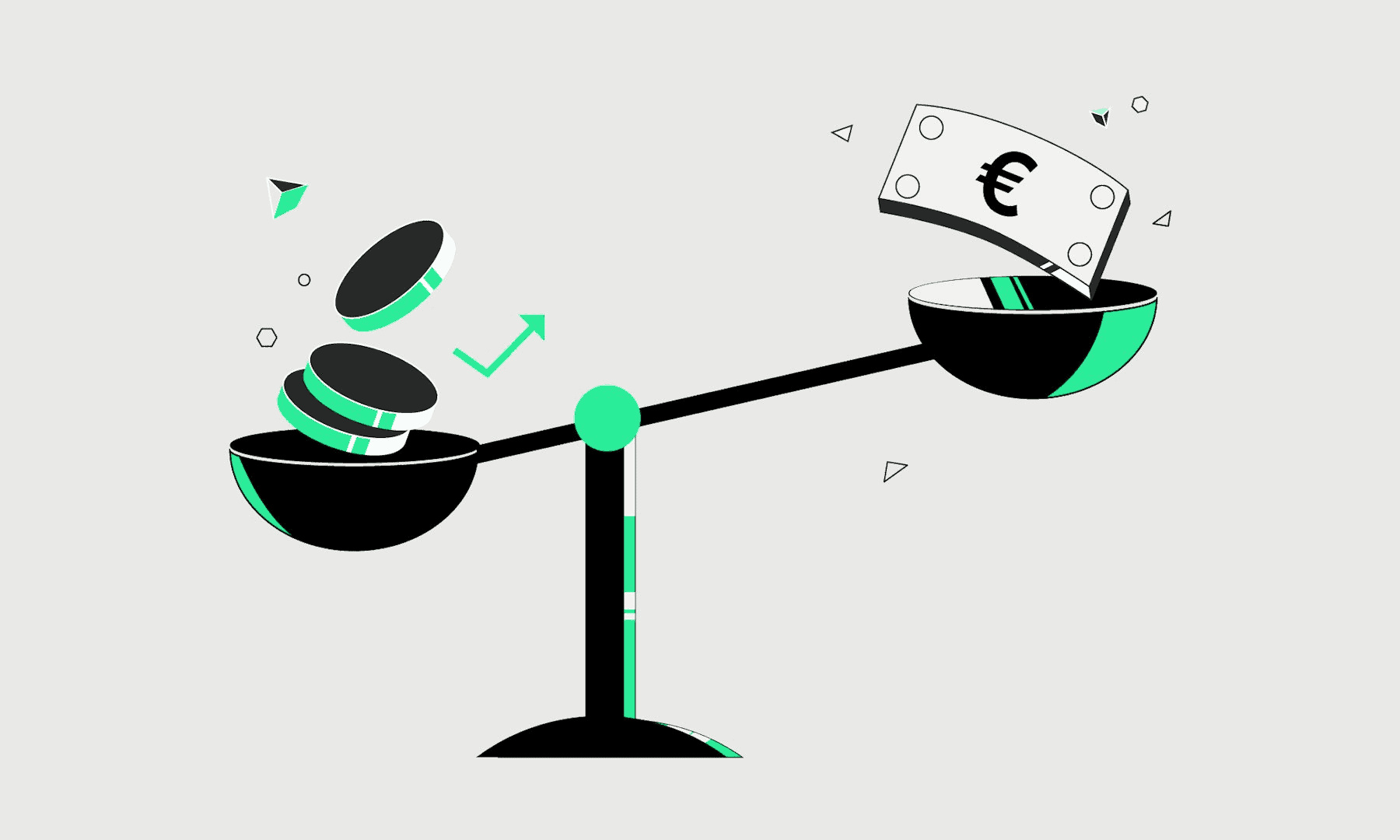
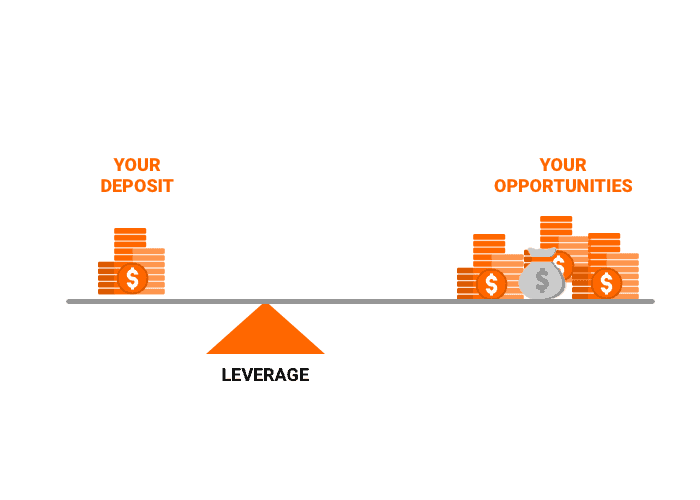
Margin-based trading increases a trader’s purchasing power by allowing them to control a position that is larger than their actual capital.
This can amplify potential returns, even though the initial investment is relatively small.
However, it must be used with caution. If applied improperly, it can lead to rapid losses and even the loss of all available equity.
For this reason, borrowed buying power is considered a double-edged tool and should be used carefully.
Margin trading is often described as using borrowed money, but this is not entirely accurate. Brokers do not add funds to your account.
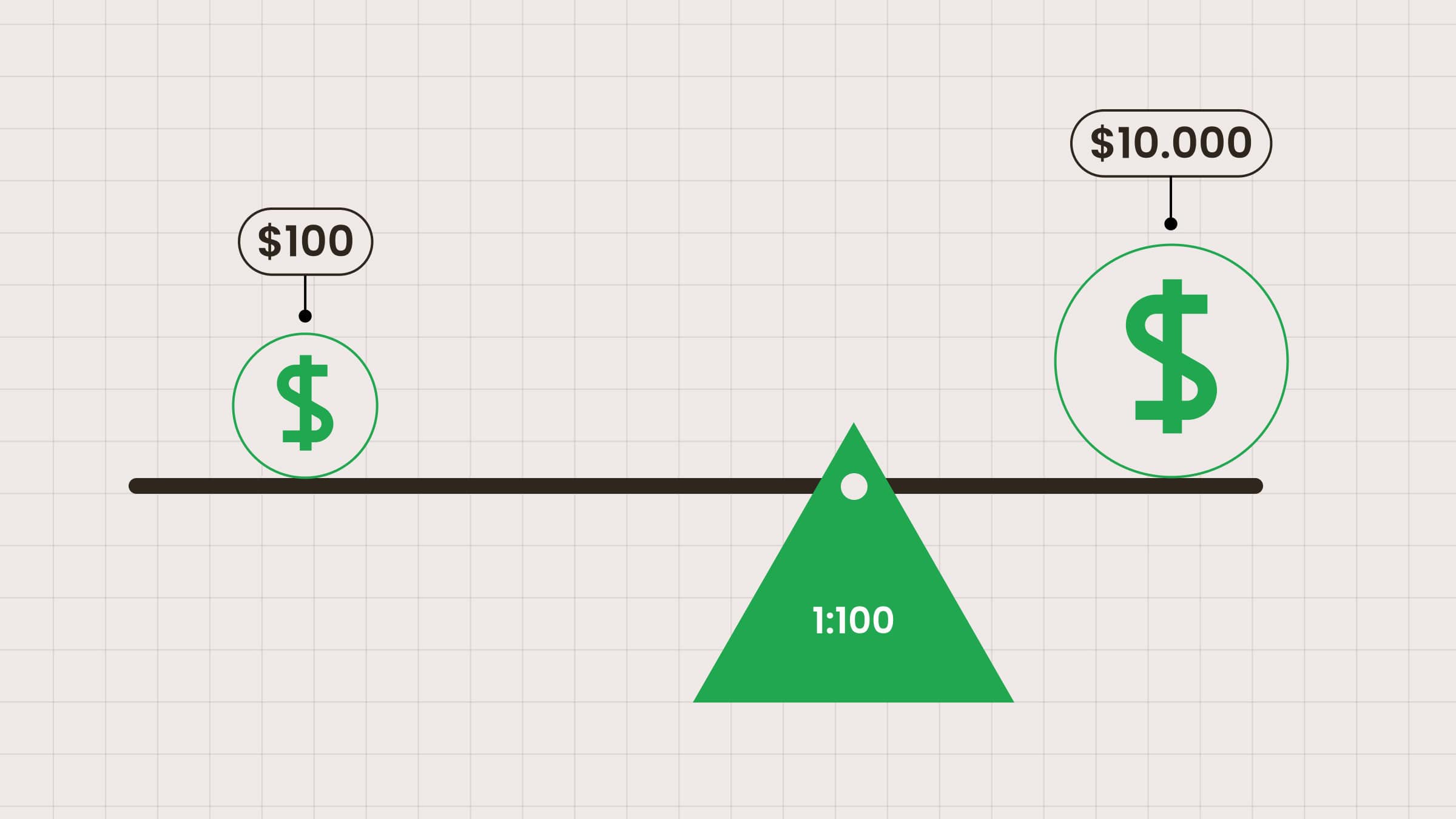
Instead, it reduces the amount of capital required to open a position by a certain ratio.
For example, opening one standard EUR/USD position with no margin support requires €100,000. With a 1:10 ratio, only €10,000 is required.
Higher ratios reduce the required capital even further, but they also increase exposure.
In the first scenario, you start with €1,000 and apply a 1:100 ratio, allowing you to open a position worth €100,000.
If you sell EUR/USD and the price moves in your favour by 100 pips, the resulting profit would be approximately $1,000.

In the second scenario, you again start with €1,000 and open a €100,000 position.
If the market moves against you by 100 pips, your entire €1,000 deposit could be wiped out.
This highlights how quickly losses can occur when using high exposure in volatile markets.
Higher exposure increases not only potential profits and losses, but also the impact of trading costs.
A trader with $1,000 using no margin support may pay $1 in spread, while using a 1:10 ratio increases the cost to $10.
The same principle applies to commissions, rollover charges, and other trading fees.
You can also read more about general market education from Investopedia’s explanation of leverage .

Lots define trade size, while margin-based exposure increases buying power. One standard Forex lot equals 100,000 units of the base currency.
Higher exposure increases risk, which is why it should always be used carefully and with a clear understanding of its impact.
To continue learning, visit our financial market guide.