
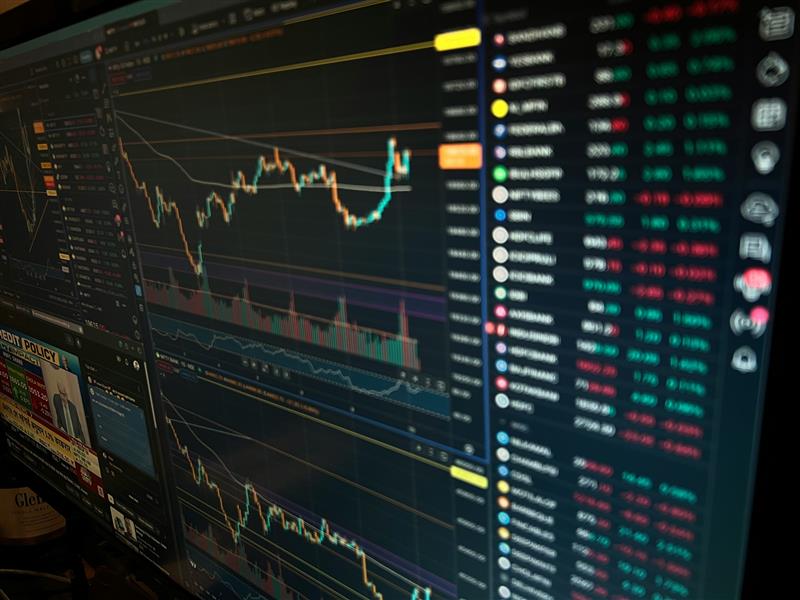
A trading day in the financial markets is structured around global trading sessions, each aligned with the operating hours of major financial centers worldwide.
The trading day typically begins with the Pacific session, followed by the Asian session, then moves to the London session and later the American session.
When sessions overlap, market activity usually increases, resulting in higher volatility and faster price movements due to increased participation.

When the Sydney stock exchange opens at the start of the week, it is early morning in Tokyo, Sunday evening in London, and Sunday afternoon in New York.
Prices often react to developments that occurred over the weekend, making early market behavior unpredictable and difficult to forecast.
For this reason, holding positions over the weekend is generally discouraged, as price gaps may cause unexpected stop outs when markets reopen.

During the Asian trading session, the first major economic data of the day is released, with a strong focus on Japan and activity on the Tokyo exchange.
The most noticeable movements are often seen in currency pairs involving the Japanese yen, such as USD/JPY, EUR/JPY, and AUD/JPY.
Other financial centers active during this session include Sydney, Singapore, and New Zealand.

The London exchange drives the European trading session and is one of the most influential market periods. Its opening overlaps with the end of the Asian session and its closing aligns with the start of New York.
Major European exchanges such as Frankfurt and Paris operate during similar hours, extending market activity.
Key economic data released during this session can strongly affect pairs such as EUR/USD, GBP/USD, USD/CHF, EUR/GBP, and EUR/CHF.

The New York trading session overlaps with the later part of the London session, creating one of the most active periods in the market.
High trading volume and sharp price movements are common, especially in instruments linked to the US dollar.
During this time, economic data from the United States can rapidly influence stocks, gold, oil, and USD-related currency pairs.
Financial markets operate through global trading sessions that span Asia, Europe, and North America, creating nearly continuous market activity.
The trading week begins in Sydney and moves through Tokyo, London, and New York. Overlapping sessions tend to experience higher volatility due to increased participation and major news releases.
When markets reopen after the weekend, price gaps may occur, making risk management an essential part of any trading strategy.